
What to Pack for Batam
Complete packing checklist tailored to Batam's climate and culture
Climate Overview for Batam
Batam sits squarely within the equatorial tropics, so the air stays thick and warm every month. Temperatures hover steadily. Yet daytime highs feel fiercer thanks to humidity that sticks to your skin. Brief, intense downpours crash in daily, usually after lunch with zero warning, soaking streets and cooling the air for only minutes before the sun roars back. This steady climate shapes your packing list around moisture and sun. Light, quick-drying fabrics are essential because clothes will get wet from sweat or rain. Strong sun protection is non-negotiable. Bring high-SPF sunscreen and real coverage. Layers for cold are pointless here. Pack a light, packable rain shield instead.
Clothing & Footwear
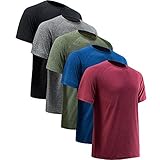
The relentless humidity in Batam turns cotton into a soggy burden. Moisture-wicking shirts pull sweat away and keep you drier while you weave through city markets or stroll the waterfront.

These work for Batam's blend of city wandering and jungle trails near the Barelang Bridges. Quick-dry fabric shrugs off sudden rain or sweat, and zipping off the legs beats the heat.
They fit Batam's evening scene in Nagoya, giving a sharper look without giving up comfort. Linen lets air move, a relief after a full day breathing humid air.

A daytime staple in Batam. Wear them to temples or malls. They dry fast after a tropical shower or a ferry splash.

Batam's rain hits hard and fast, drumming on every roof. Tuck a compact jacket in your daypack and stay dry without stewing in the warm downpour.

Equatorial sun in Batam is brutal and direct. This hat shades your face and neck on boat tours or while exploring open sites like the Maha Vihara Duta Maitreya temple complex.
They suit Batam's laid-back vibe and handle wet decks after rain or beach visits. Grip stays solid on slick tiles near pools or damp temple steps.

Long days in Batam's malls or heritage sites demand these. Cushioned support saves your feet on hard pavements, and breathable mesh fights the heat.

Humidity keeps normal underwear damp all day. Quick-dry pairs are a hygiene win, if you pack several activities into one scorching day.
Electronics & Gadgets

Batam uses European-style two-pin round plugs (Type C/F, 220V). Bring this adapter so you can charge devices in your hotel after island exploring.

Full-day trips in Batam, like touring the Barelang Bridges or beach hopping, drain batteries fast. Keep navigation apps and cameras alive.
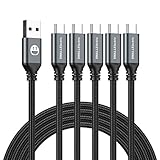
Coastal Batam's damp, salty air kills cheap cables fast. Braided ones survive day trips and keep multiple devices powered.

Water activities rule Batam, from surprise ferry rides to beach lounging. This pouch shields your phone from rain, spray, and sand.
Older hotels in Batam often offer just one socket. Plug this in and charge phones, cameras, and power banks at once.
Toiletries & Health

Sun is fierce year-round in Batam. High-SPF, reef-safe mineral sunscreen protects your skin and the coral if you swim near reefs.

Mosquitoes patrol Batam, in green pockets and at dusk. Spray on repellent before evening walks or open-air dinners.

Humidity slows healing in Batam. Pack wipes and bandages for minor cuts, scrapes, or blisters from long walks.
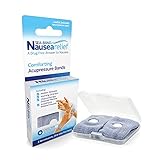
Ferries to nearby islands or choppy boat tours around Batam can churn stomachs. These bands curb nausea without pills.

Misjudge the equatorial sun and you will burn. This gel cools skin after a day on Batam's beaches or golf courses.
Documents & Security

Keep passport, Indonesian arrival card, and boarding passes tidy and dry in busy spots like Batam ferry terminals and Nagoya.

A slim belt under your shirt hides cash and cards while you weave through Batam's packed night markets or malls.
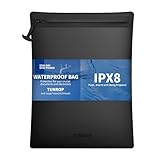
Sudden rain or boat spray can soak tickets and permits. This pouch keeps them safe and legible.

Lock your luggage en route to Batam and secure hotel room safes or hostel lockers once you arrive.
Comfort & Convenience

Hotel curtains in Batam can be flimsy. These clips block stray light so you can sleep past sunrise.

Street noise, humming AC units, and dawn prayer calls can ruin sleep. Plug these in and tune them out.

Heat in Batam drains you fast. A collapsible bottle refills anywhere, saves cash, and cuts plastic waste.
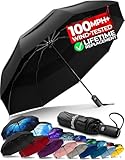
Sun blazes and rain lashes in Batam. This umbrella gives instant shade or shelter while you sightsee.

Good for hauling souvenirs from Batam malls or wet gear from the beach. One bag cuts single-use plastic.
Beach & Water Gear
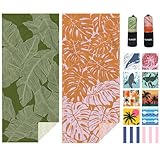
Dries fast in humid air. Packs tiny. Shakes off sand after Nongsa or any Batam beach.
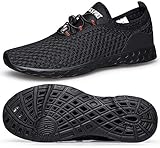
Shield feet from scorching sand, rough concrete, and hidden rocks at Batam beaches and water sport spots.
Waves and rain threaten phones, wallets, and dry clothes on Batam boat trips or jet ski rides.

Long days on Batam water need serious sun defense. This shirt blocks rays while you wakeboard, snorkel, or swim.
Seasonal Packing Adjustments
What to add or skip depending on when you visit
Wet Season
October, November, December, January, February, March
Add: Extra quick-dry clothing, Sandals with good grip, Small microfiber towel for drying off
Shop Wet Season essentials →Rain falls harder and more often. Plan indoor fun like shopping or spa sessions for the afternoon. Your rain jacket and umbrella will earn their keep. Ferry crossings to nearby islands can feel rougher.
Dry Season
April, May, June, July, August, September
Add: Higher SPF sunscreen, Portable fan, Extra hydration supplies
Shop Dry Season essentials →Sun exposure peaks. Sunscreen becomes critical. Beach days and every outdoor activity in Batam shine now. Yet heat exhaustion looms. Drink water constantly.
Luggage Recommendation
Choose a lightweight, durable carry-on suitcase or a 40L travel backpack. Batam means stairs at ferry terminals, uneven pavements, and compact taxis. Quick-dry clothing keeps you nimble. Planning serious shopping? Tuck a foldable duffel inside your main bag for the return haul.
Shop Carry-On Luggage on AmazonPro Packing Tips
Practical advice from experienced travelers
Don't Pack
- Heavy jeans or sweaters. Batam's warmth and humidity make these fabrics miserable and useless.
- Skip the jumbo toiletries. Giant Hypermarket or Nagoya Hill Mall stock every familiar international shampoo or shower gel you crave. Save space. Buy there.
- Leave the full-sized beach towel home. It is bulky, slow to dry, and cheap replacements wait at local markets. Pack light.
- Ditch excessive formal wear. Batam's restaurants and nightlife remain relaxed. One smart-casual outfit covers every evening plan.
- A heavy guidebook. Use your phone for information. Data is inexpensive.
Buy Locally
- Grab a local prepaid SIM card with data. Kiosks at Batam Center Ferry Terminal or Telkomsel/XL centers in malls sell them. Expect cheap, fast internet for maps and ride-hailing.
- Forget hauling bottled water. Indomaret and Alfamart minimarts blanket Batam. Stock large bottles for your hotel room once you arrive.
- Hunt for traditional batik clothing or sarongs. Pasar Batam and dedicated batik stores display stacks of lightweight, culturally rich souvenirs.
- Load up on Indonesian snacks and coffee. Local supermarkets overflow with unique chips, biscuits, and sachets of local coffee. Perfect gifts.
Packing Hacks
- Roll clothes instead of folding to save space
- Pack shoes in shower caps to protect clothes
- Use packing cubes to stay organized
- Keep essentials in your carry-on
Continue Planning Your Trip
More guides to help you prepare
Ready to plan your trip to Batam?
Now that you've got the research covered, here's where to go next.