
Things to Do in Batam in July
July weather, activities, events & insider tips
Shoulder Season · Good Value
July Weather in Batam
Temperature, rainfall and humidity at a glance
88°F (31°C)
High Temp
76°F (24°C)
Low Temp
6.6 inches (168 mm)
Rainfall
70%
Humidity
⚠ Afternoon squalls arrive with little warning between 2 PM and 5 PM on roughly one in three July days. They produce intense rainfall, gusty winds, and localized road flooding in low-lying areas around Nagoya and Sei Jodoh. Plan boat excursions and outdoor activities for mornings.
⚠ Equatorial UV at index 8 burns exposed skin within twenty to thirty minutes even under light cloud cover. Water reflection on boat trips effectively doubles UV exposure. Sunburn is the single most common health complaint among visitors to Batam in any month. July's clear mornings compound the risk.
Is July Right for You?
Weigh the advantages and considerations before booking
Advantages
- + July sits in Batam's driest corridor alongside September, averaging just 168 mm (6.6 inches) of rain across roughly ten days. That means mornings of hard equatorial sun. Short afternoon squalls blow through in twenty minutes. The air smells of wet frangipani and cooling asphalt. Compared to the November-December deluge that dumps nearly 287 mm (11.3 inches), July feels almost Mediterranean by Riau Islands standards.
- + Singapore school holidays wrap up before July. Weekend ferry crowds thin noticeably. Nongsa's beach resorts and the Nagoya Hill shopping district pack shoulder-to-shoulder on long-weekend Saturdays in June. By July, you can get a seafood table at a waterfront kelong without a forty-minute wait. Accommodation rates dip from peak-season levels. Ferry terminals like Batam Centre and Harbour Bay move faster through immigration.
- + Sea conditions across the Singapore Strait and around Batam's southern islands are the calmest they get all year during the southwest monsoon's drier phase. Smoother ferry crossings from Harbourfront or Tanah Merah follow directly. Boat trips to the smaller islands south of Galang open up, specifically Abang and Petong. Visibility underwater can reach 10-15 metres (33-49 feet) on good mornings.
- + July's heat and humidity push the island's fruit season into its ripest stretch. Durian from Tanjung Pinang arrives at roadside stalls along Jalan Imam Bonjol with that unmistakable sulfurous sweetness. Mangosteen hits peak season. You crack open the purple rind to find segments of cool, tart-sweet flesh inside. It stains everything it touches. Night markets in Nagoya stack both alongside rambutan and snakefruit. You eat them standing. Juice runs down your wrist. The air holds 28°C (82°F) at 9 PM.
Considerations
- − The UV index hits 8 consistently. Batam sits almost exactly on the equator at just over one degree north latitude. The sun arrives at a near-vertical angle. It burns faster than most visitors expect. Reflected glare off the water compounds it. Even overcast days carry enough UV to redden unprotected skin within thirty minutes. Humidity makes sunscreen sweat off rapidly. Reapply constantly. Do this on boat days.
- − July's lower rainfall does not mean no rain. Squalls arrive between 2 PM and 5 PM. They hit with equatorial intensity: sheets of warm rain, gusting wind, visibility dropping to a few hundred metres. Schedule outdoor plans for mornings. This includes island-hopping and golf. The storms pass quickly. They can strand you on a smaller island. They can cancel an afternoon boat departure with little warning.
- − Batam's infrastructure outside the resort corridors of Nongsa and Waterfront City remains rough. Roads in central Batam, around the Nagoya-Lubuk Baja corridor, flood during heavy downpours. Drainage channels cannot handle even moderate volume. Motorcycle taxis become the only things moving. July visitors using private car transport should budget extra transit time on rain days. Avoid scheduling tight connections between activities.
Best Activities in July
Top things to do during your visit
July sits in Batam's drier stretch, a window running roughly February through September before heavier monsoon rains hit in November and December. That does not mean bone-dry skies. Expect afternoon downpours on roughly ten days of the month, quick equatorial cloudbursts that roll in around two or three in the afternoon, hammer the corrugated rooftops of Nagoya Hill for twenty minutes, and leave the air smelling of warm asphalt and frangipani. The rest of the day is reliably hot, with highs around 31 degrees Celsius and lows that rarely dip below 24 even after midnight. Humidity sits near seventy percent, moderate by Indonesian standards and far more tolerable than what you would face in Jakarta or Surabaya this same month. Mornings before nine feel almost pleasant, along the waterfront near Harbour Bay, where a salt breeze lifts off the strait and fishing boats knock gently against the concrete jetty. Batam sits just twenty kilometres south of Singapore, close enough that the city-state's skyline is visible from the northern shore on clear days, and that proximity shapes everything about the island's rhythm. Weekends bring an increase of Singaporean day-trippers arriving on the forty-five-minute ferry, filling the seafood restaurants along Jodoh and the massage parlours of Nagoya. Midweek, the island belongs more to its residents, and the pace drops noticeably. July falls outside Singapore's school holidays, which ended in June, so weekend crowds are present but not crushing. Restaurants in Nagoya serve dinner at a more relaxed clip, and spa appointments that require advance booking on Saturdays are often walk-in affairs on a Tuesday. The dining scene across Batam leans heavily toward fresh seafood, grilled over coconut-husk charcoal at open-air stalls where smoke drifts across the road, and toward Indonesian staples like nasi padang served on banana leaves with a slick of fiery rendang. Nongsa and Waterfront City offer more polished hotel restaurants if you want air conditioning and a wine list. But the best eating on the island happens at the plastic-table places where the sambal is ground fresh and the squid was swimming that morning. For those wondering whether July is a good time to travel to Batam, the short answer is yes, with caveats. You will not get unbroken sunshine, and the sea can turn choppy during squalls, which occasionally delays ferries by thirty minutes to an hour. But rainfall totals in July are among the lowest of the year, significantly less than the November and December peak, and the heat is consistent rather than oppressive. Pack a compact umbrella and a light rain jacket. Leave the heavy waterproofs at home. The warm rain dries from your skin in minutes.

Half-Day Spa Escape in Batam with Lunch
otherBatam's spa culture exists because of Singapore. Treatments that cost four or five times as much across the strait are available here at a fraction, and the quality at the better establishments is high, not the discount-bin experience the price gap might suggest. The Half-Day Spa Escape in Batam with Lunch builds a full afternoon around that proposition: a sequence of body scrub, aromatherapy massage, and facial, followed by a sit-down Indonesian lunch. The scrub uses a turmeric-and-rice paste that leaves skin tingling and faintly golden, and the massage rooms are kept cool enough that the warm oil on your shoulders feels like a deliberate kindness rather than just technique.
The most efficient way to combine Batam's signature spa culture with a proper Indonesian meal, structured so you walk out loose-limbed and fed without having planned either yourself.
Insider tip: Book a morning slot starting around ten so you finish with lunch at the natural mealtime rather than eating at three in the afternoon when most nearby warungs have already packed up their best dishes.

Bukit Merah Orang Utan and Penang City Private Tour
private_tourThis is a full private excursion that leaves Batam entirely, crossing to mainland Sumatra and then onward to Perak state's Bukit Merah Laketown Resort, home to a rehabilitation island where Bornean orangutans live in semi-wild conditions among the dipterocarp canopy. The island sits in the middle of Bukit Merah Lake, and you reach it by a short boat ride during which the humid air carries the green, vegetal smell of the surrounding rainforest. Watching a juvenile orangutan swing overhead, its rust-coloured fur catching the filtered sunlight, recalibrates your sense of what a day trip from an industrial island can deliver. The Penang City portion adds a completely different register, colonial shophouses and hawker courts fragrant with char kway teow sizzling on flat griddles.
A single-day arc from Batam's ferry terminal to wild orangutans and Penang's legendary street food, privately guided so the logistics disappear entirely.
Insider tip: Bring binoculars for the orangutan island. The animals often retreat to the upper canopy by midday, and naked-eye viewing from the walkways misses the younger ones grooming each other in the high branches.
This month: July's lower rainfall on the Sumatran mainland means the lake crossing is usually calm and the forest trails are less muddy than during the wetter months from October onward.

Batam Amazing Day Tour (include Lunch)
guided_experienceA guided loop through Batam's cultural and historical markers, this tour connects stops that most independent visitors would struggle to sequence efficiently given the island's sprawl and its unreliable public transport. The route typically threads through the Barelang Bridge complex, six bridges linking Batam to the neighbouring islands of Rempang and Galang, where the old Vietnamese refugee camp at Galang is a quietly sobering memorial. Concrete foundations of the barracks remain, and hand-painted signs in Vietnamese still cling to a few walls, faded but legible. The tour also covers a local temple, a fishing village where nets hang drying in the salt wind, and lunch at a seaside restaurant where chilli crab arrives in a clay pot still bubbling.
The only practical way to cover Batam's scattered historical and cultural sites in a single day without renting a car and navigating the island's unmarked roads yourself.
Insider tip: Ask the guide to stop at the Galang refugee camp's small museum before walking the grounds. The context transforms what could feel like an unremarkable set of ruins into something moving.

Top 2 Toe Spa Packages in Batam with Lunch
otherWhere the Half-Day Spa Escape has a focused treatment sequence, the Top 2 Toe package extends the session into a more thorough head-to-foot programme that adds a hair cream bath, a traditional Javanese lulur body mask, and a longer massage. The lulur is the highlight: a paste of turmeric, sandalwood, and ground rice applied to the skin and left to dry until it cracks slightly, then rubbed away to reveal skin that feels almost absurdly smooth. The scent lingers for hours, a warm, woody sweetness that clings to your forearms. Lunch is included, and the meal tends toward lighter Indonesian fare, soto ayam with its clear turmeric broth and crispy shallots, or grilled fish with sambal matah whose raw shallot crunch cuts through the oil.
The most complete spa experience available on Batam, designed for visitors who want to give an entire afternoon to being systematically taken apart and reassembled.
Insider tip: If you have sensitive skin, ask the therapist to shorten the lulur drying time by a few minutes. The turmeric can leave a faint yellow tint on very fair skin that takes a day to fade.

Batam Full-day Tour with Kelong Lunch
day_tripThe defining feature of this tour is lunch on a kelong, one of the traditional offshore wooden fishing platforms that dot the waters around Batam. Kelongs are built on stilts over the sea, connected to shore by a narrow plank walkway that flexes underfoot, and dining on one puts you directly above the water where the fish were caught. The experience is more atmospheric than refined: the wooden planks creak under your chair, the smell of charcoal and grilling fish mingles with the brine rising off the water below, and if you look down between the floorboards you can see small reef fish darting in the shallows. The tour itself covers the island's main points of interest. But the kelong lunch is the centrepiece and the reason to choose this itinerary over alternatives.
Eating fresh-caught seafood on a wooden platform suspended over the open water is the single most distinctly Batam dining experience you can have, and this tour builds an entire day around it.
Insider tip: Wear shoes you can slip on and off easily. The kelong walkway is narrow and sometimes wet, and you will remove your footwear before stepping onto the dining platform.
This month: July's afternoon squalls occasionally hit while you are on the kelong. The platform has a roof, so the rain itself is not a problem. But the sound of heavy drops on corrugated metal directly above you is startlingly loud and makes conversation temporarily impossible, which is either thrilling or annoying depending on your temperament.

Batam Transport With Female Driver
otherThis is not a tour but a transport service, and its value lies in solving a specific problem. Batam's taxis are unmetered, and negotiating fares in Bahasa Indonesia with drivers who may quote inflated numbers to foreign faces is a friction point that colours an otherwise easygoing island. This service provides a female driver with a private vehicle for the day, which is useful for solo female travellers or anyone who prefers a prearranged, fixed arrangement over repeated haggling. The drivers know the island's geography thoroughly, including the unmarked turns to the better seafood restaurants along the Tanjung Uma waterfront and the backroads that avoid the Nagoya traffic snarl during evening rush.
Eliminates Batam's biggest logistical headache, unmetered taxi negotiation, with a reliable private driver who doubles as an informal navigator to the island's less obvious spots.
Insider tip: Tell your driver at the start of the day if you want to visit any waterfront seafood places for dinner. She can call ahead to confirm which stalls are operating that evening, since many of the best ones close without notice on slow nights.
Where to Stay in Batam in July
Hand-picked hotels across price tiers for July travellers.
★★★★
Mid-Range
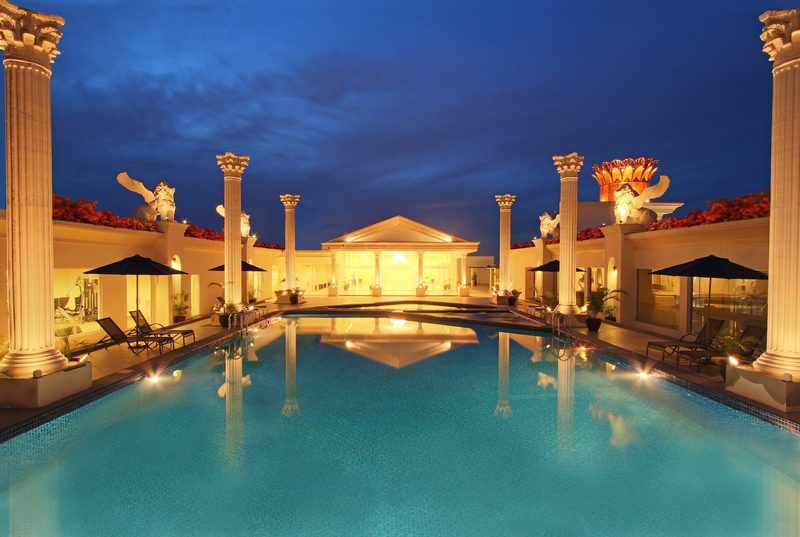
Harmoni One Convention Hotel and Service Apartments
From $23 / night
Check Prices on Trip.com →
July Events & Festivals
What's happening during your visit
Early July
Hari Raya Haji (Eid al-Adha)
Eid al-Adha in 2027 is expected to fall in late June or early July depending on the lunar calendar determination, and its observance extends several days into the week. In Batam, the celebration centers around communal prayers at the island's mosques, most visibly at Masjid Agung Batam Centre, where families in pressed batik fill the courtyard and spill onto adjacent streets by dawn. The qurban, the ritual sacrifice of goats and cattle, takes place at neighborhood mosques and open lots across the island, and the meat is distributed to families throughout the day. For visitors, the practical effect is that many shops and restaurants in Nagoya close for one to three days, ferry schedules may thin out, and the streets take on a quieter, familial atmosphere that feels markedly different from Batam's usual commercial bustle. The smell of rendang simmering in enormous pots, cooked communally at neighborhood gathering points, drifts through residential areas for the entire day.
Packing Checklist
Bookmark this page — your progress is saved between visits
Need the full list with shopping links?
Climate-specific gear, brand recommendations, and what to leave at home.
View Batam Packing List →Essential Tips
Insider knowledge and common pitfalls to avoid
Insider Knowledge
Your ferry terminal choice shapes your first hour in Batam more than any other decision. Batam Centre International Ferry Terminal drops you closest to the Nagoya commercial district and has the most frequent departures from Singapore. But it is also the most congested at immigration, on Friday evenings. Harbour Bay Ferry Terminal, slightly further south, serves the Waterfront City area and tends to process faster. Nongsa Pura Ferry Terminal connects directly to Tanah Merah in Singapore and deposits you in the resort corridor without needing to transit through Batam's urban core. Pick the terminal that matches where you are staying, not the one with the cheapest fare.
Batam runs on a curious dual-currency habit despite being fully Indonesian. Many shops in Nagoya Hill and the Waterfront area quote in Singapore dollars to Singaporean weekenders, and the conversion rate they apply is consistently worse than what you would get withdrawing Indonesian rupiah from the BCA or Mandiri ATMs scattered through the ferry terminals and shopping centers. Pay in rupiah everywhere. The only exception is the ferry ticket itself, which is typically sold in Singapore dollars from the Singapore side.
The seafood at the famous waterfront restaurants along Harbour Bay, the ones with the big illuminated signs facing the water, is fine but marked up heavily for the ferry-terminal foot traffic. Locals eat at the smaller Chinese-Indonesian seafood places along Jalan Duyung in Sei Jodoh, about fifteen minutes south by car, where the grilled fish is the same species from the same morning catch, the sambal is made to order rather than from a jar, and the tables sit close enough to the kitchen that you can hear the wok ring when the cook flips the kangkung.
Batam's mosque call to prayer, the adzan, sounds five times daily starting before dawn and is amplified across the island through loudspeakers. If you are a light sleeper staying outside the resort compounds, which have better sound insulation, the 4:30 AM Fajr call will wake you. This is not a nuisance to complain about. It is the rhythm of daily life on the island. Bring earplugs if you need uninterrupted sleep, and adjust your expectations rather than your attitude.
Avoid These Mistakes
Booking a round-trip ferry for the same day and scheduling activities as if Batam were a theme park. Immigration queues at both ends can take thirty to sixty minutes depending on the day. The ferry crossing itself is forty-five to sixty minutes. Batam's distances between activity zones, Nagoya to Nongsa is 25 km (15.5 miles) on roads that crawl during rain, mean a day trip rarely allows more than one or two activities done properly. Either commit to an overnight. Accept that a day trip means picking one thing and doing it well.
Arriving without Indonesian rupiah and assuming credit cards work everywhere. The resort spas and larger restaurants accept cards. Night markets, local seafood restaurants, smaller shops, and most transport run on cash only. ATMs at the ferry terminals are reliable but occasionally run dry on busy weekends. Withdraw rupiah before leaving the terminal building.
Treating the afternoon rain as a reason to stay indoors all day. July's squalls are dramatic but short, typically twenty to forty minutes of heavy rain followed by clearing skies. Temperatures drop noticeably. The post-rain hours, from about 4 PM to sunset, become the most comfortable part of the day. Schedule outdoor activities for morning. Plan an indoor break like a spa session for the 2-4 PM window. Re-emerge for the evening. Travelers who write off rainy afternoons waste a third of their daylight.
Explore More Activities in Batam
Didn't see anything interesting yet?
Browse Viator's full catalog of tours, day trips, food experiences, and private guides in Batam.
See All Batam Tours on Viator